Introduction
Knowing when to replace siding is important for protecting your home’s structure, improving energy efficiency, and maintaining curb appeal. Siding acts as your home’s first layer of defense against weather, moisture, and temperature changes. Over time, even high-quality siding can deteriorate and lose its effectiveness.
In this guide, you’ll learn the clear signs that indicate it’s time for a full siding replacement, what causes siding to fail, and how professional siding contractors evaluate your home.
What Does Siding Actually Do for Your Home?
Siding is more than just exterior decoration. It plays a critical structural role in your home’s protection.
Key Functions of Siding
- Protects against rain, wind, and snow
- Prevents moisture from entering walls
- Improves insulation and energy efficiency
- Enhances curb appeal and property value
When siding starts failing, your home becomes vulnerable to hidden damage.
When to Replace Siding: Key Warning Signs
If you’re wondering when to replace siding, look for these common warning signs:
1. Visible Cracks or Warping
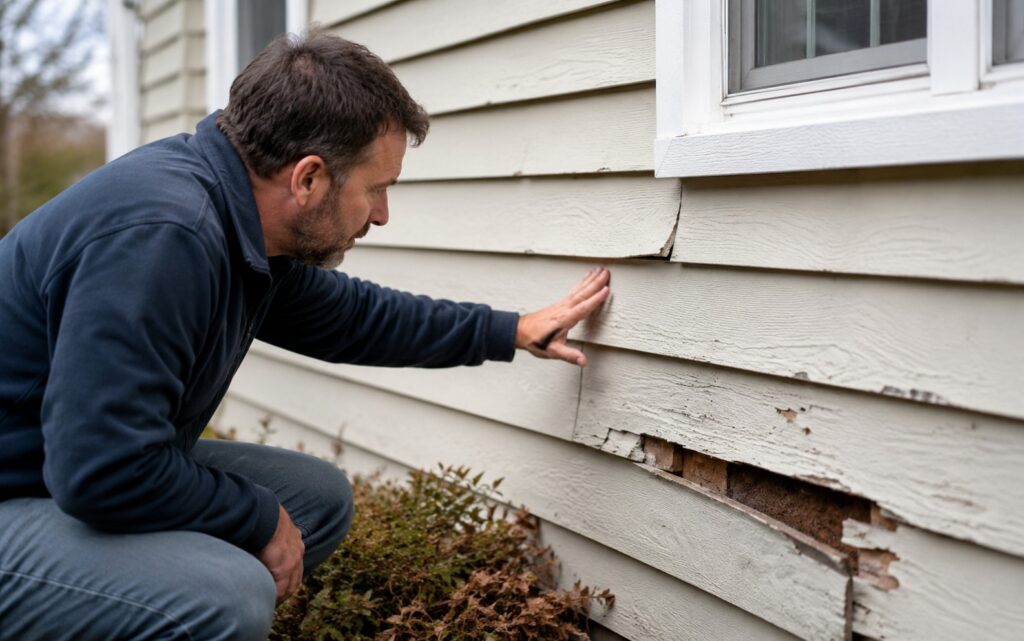
Cracks, bends, or warped panels often mean the siding is no longer protecting your home properly.
2. Fading or Peeling Color
Severe fading can indicate long-term sun damage and material breakdown.
3. Moisture or Mold Inside Walls
If moisture is getting behind siding, it can lead to mold growth and structural damage.
4. High Energy Bills
Poor siding insulation can cause heating and cooling loss.
5. Frequent Maintenance Issues
If repairs are becoming constant, full replacement is usually more cost-effective.
Common Causes of Siding Damage
Understanding why siding fails helps you decide when replacement is necessary.
Main Causes Include:
- Weather exposure (wind, rain, snow)
- Age and material wear
- Poor installation quality
- Lack of maintenance
- Water infiltration over time
Why Homeowners Choose Professional Siding Contractors
When it’s time for replacement, many homeowners search for trusted experts like:
- siding companies Rochester Hills
- siding company rochester mi
- siding contractor Rochester Hills
- siding contractor Rochester Hills, MI
Professional contractors ensure:
- Proper installation
- Long-term durability
- Warranty-backed materials
- Correct moisture protection systems
How Siding Replacement Improves Your Home
Replacing siding is not just a repair—it’s a full upgrade.
Benefits Include:
- Better insulation and energy efficiency
- Increased home value
- Improved curb appeal
- Stronger weather protection
- Lower maintenance needs
How Prime Home Remod Helps Homeowners
Prime Home Remod is a home exterior remodeling company specializing in roofing, siding, and gutter installation services. The company focuses on high-quality replacement solutions designed to improve durability, appearance, and long-term home protection.
Their team helps homeowners choose the right siding materials and ensures professional installation for long-lasting results.
Examples: When Siding Replacement Becomes Necessary
Example 1: Aging Vinyl Siding
A homeowner notices fading, cracks, and rising energy bills—replacement becomes more cost-effective than repeated repairs.
Example 2: Storm Damage
After heavy wind or hail, siding panels loosen, and moisture starts entering the wall system.
Example 3: Hidden Moisture Damage
Mold or soft drywall indoors can signal siding failure behind the surface.
Conclusion
Understanding when to replace siding helps homeowners avoid costly structural damage and maintain a strong, energy-efficient home. If you notice visible damage, rising energy bills, or aging materials, it may be time to consider a full replacement.
Working with experienced professionals like Prime Home Remod ensures your siding is installed correctly and built to last for years.
Frequently Asked Questions
How do I know when to replace siding instead of repairing it?
If damage is widespread, recurring, or affects insulation, replacement is usually the better option.
How long does siding usually last?
Most siding lasts 20–40 years, depending on the material and weather conditions.
Can damaged siding affect energy bills?
Yes, poor siding insulation can significantly increase heating and cooling costs.
Do I need a professional siding contractor?
Yes, proper installation ensures moisture protection and long-term durability.
What happens if I delay siding replacement?
Delaying replacement can lead to structural damage, mold growth, and higher repair costs.

