If your home’s siding is showing its age, you’ve probably run into two main choices: traditional vinyl siding or insulated vinyl siding. They look similar from the street, but underneath the surface, they perform very differently, especially in a place like Bingham Farms, where winters get cold and summers get humid.
Choosing the right siding Bingham MI homeowners can count on for years isn’t just about color and style. It’s about what’s happening behind the panels, where your home’s comfort and energy bills are decided.
What’s the Difference Between the Two?
Traditional vinyl siding is a single layer of PVC panels installed directly over your home’s exterior wall. It’s affordable, low maintenance, and comes in a wide range of colors and styles. For decades, it’s been the go-to choice for homeowners across Michigan.
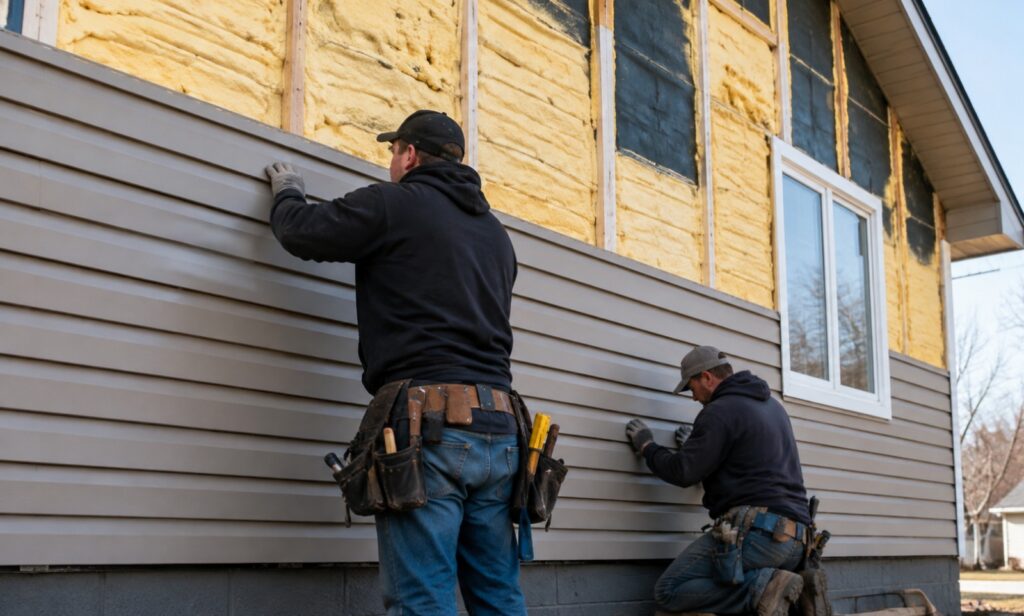
Insulated vinyl siding looks almost the same from the outside, but it has a layer of rigid foam insulation permanently attached to the back of each panel. That foam backing is the whole point. It adds a layer of insulation directly to your home’s exterior, on top of whatever insulation is already in your walls.
Why Insulation Behind Your Siding Matters
Michigan homes deal with big temperature swings throughout the year. In winter, heat wants to escape through every gap and weak point in your home’s exterior. In summer, that same weak point lets outside heat creep in. Traditional vinyl siding doesn’t do much to stop this. It’s essentially a protective shell with almost no insulating value on its own.
Insulated siding changes that. The foam backing helps reduce what’s called thermal bridging, which is heat sneaking through the wooden studs in your walls. Even well-insulated walls lose some heat this way, and insulated siding helps close that gap.
For homeowners exploring house siding installation Bingham MI options, this difference often shows up as a noticeably steadier indoor temperature and, over time, lower heating and cooling bills.
Comparing the Two Side by Side
Energy Efficiency: Traditional vinyl offers little to no insulating value. Insulated vinyl adds real R-value, which can help reduce energy loss through your walls.
Durability: Traditional vinyl can flex, warp, or dent more easily since there’s nothing behind it but the wall. Insulated vinyl has more rigidity thanks to the foam backing, making it more resistant to impact and warping.
Sound Reduction: Insulated siding also dampens outside noise better than traditional vinyl, since the extra layer adds a bit of a sound barrier along with the thermal one.
Appearance: Both options come in similar colors, textures, and styles. From the street, most people can’t tell the difference just by looking.
Cost: Traditional vinyl siding costs less upfront. Insulated siding costs more initially but can pay some of that back over time through lower energy bills and fewer repairs.
Is Insulated Siding Worth It for Your Bingham Farms Home?
This really depends on a few things about your home and your goals:
- Age of your home: Older homes with less wall insulation tend to benefit the most from insulated siding, since it helps make up for what’s missing inside the walls.
- How long you plan to stay: If you’re planning to stay in your home for many years, the long-term energy savings are more likely to outweigh the higher upfront cost.
- Current energy bills: If your heating and cooling bills already run high, insulated siding is worth a closer look.
- Budget for the project: If upfront cost is the biggest factor, traditional vinyl still offers solid protection and style at a lower price point.
There’s no wrong answer here. It comes down to what matters most for your home and your budget. This is exactly the kind of decision trusted siding contractors in Bingham MI should walk you through in person, based on your actual home, not a one-size-fits-all pitch.
Questions to Ask Before You Decide
When you’re getting quotes for siding replacement Bingham Michigan homeowners rely on, it helps to ask:
- What’s the R-value of the insulated option being offered?
- How does the price difference compare to the expected energy savings over time?
- Will the current wall sheathing and insulation affect performance either way?
- What warranty comes with each option?
A contractor who takes the time to answer these clearly, instead of pushing you toward the higher-priced option automatically, is one worth trusting with the job.
How Prime Home Remod Can Help
At Prime Home Remod, we’ve helped Bingham Farms homeowners with everything from simple color refreshes to full siding overhauls. As part of our full range of Bingham MI exterior home services, we walk you through both traditional and insulated vinyl siding honestly, including real numbers on cost and expected energy performance for your specific home.
Founded by Josh Kroll, a third-generation builder, our team brings decades of hands-on experience to every project, backed by flexible financing so you don’t have to put your home improvement plans on hold.
If you’re comparing options for siding Bingham MI homeowners trust, contact Prime Home Remod for a straightforward consultation and a quote that fits your home and your budget.
Frequently Asked Questions
Is insulated vinyl siding really warmer than traditional vinyl siding?
Yes. Insulated siding has a foam backing that adds real insulating value to your home’s exterior, which helps reduce heat loss in winter and heat gain in summer, unlike traditional vinyl, which offers little insulation on its own.
How much more does insulated siding cost compared to traditional vinyl?
Insulated siding typically costs more upfront than traditional vinyl because of the added foam backing and materials. The exact difference depends on your home’s size and the specific products chosen, so it’s best to compare quotes directly.
Will insulated siding lower my energy bills?
It can. By reducing heat loss through the walls, insulated siding often leads to more consistent indoor temperatures and can help lower heating and cooling costs over time, especially in older homes with limited wall insulation.
Does insulated siding look different from regular vinyl siding?
Not really. Both come in similar colors, styles, and textures. The main difference is in what’s behind the panel, not how it looks from the street.
How do I know which option is right for my home?
The best way is to have a local siding contractor evaluate your home’s current insulation, age, and energy usage, then compare the realistic costs and benefits of each option for your specific situation.

