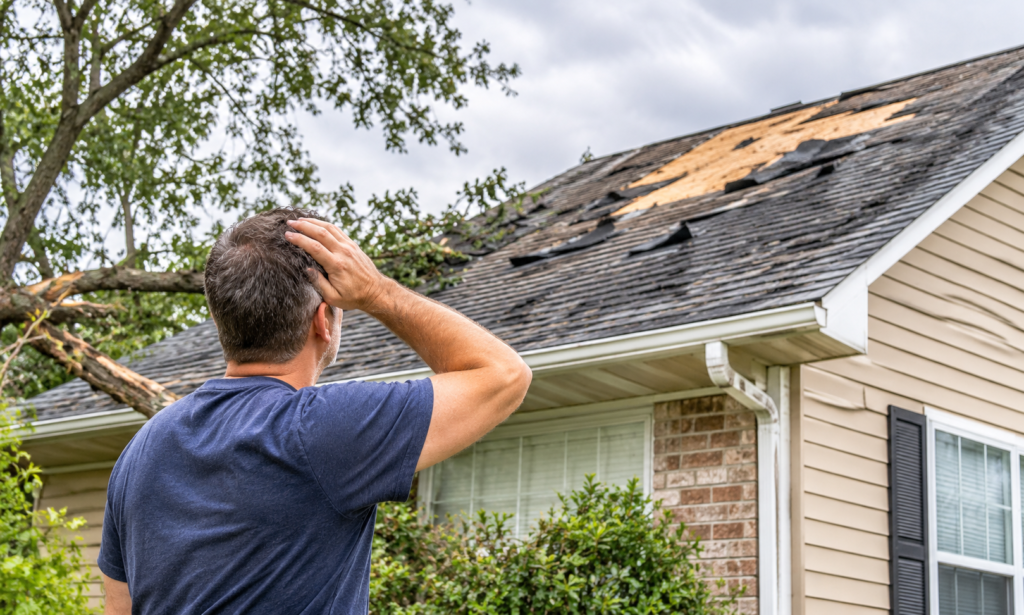
Severe storms can cause serious damage to your home. Strong winds, heavy rain, and hail can damage your roof, crack siding, loosen gutters, and allow water to enter your house. Sometimes, the damage is easy to see. Other times, problems remain hidden until you notice a leak or water stain inside.
The good news is that your homeowners insurance may help cover the cost of certain storm-related repairs. However, filing a claim can feel confusing, especially if you have never gone through the process before.
Knowing what to do after a storm can help you protect your property, organize your paperwork, and avoid common mistakes. This guide explains how to file an insurance claim for storm-damaged roofs, siding, and gutters, and how to choose the right professionals for the work.
1. Inspect Your Home for Storm Damage
Before starting an insurance claim, take time to look for signs of damage around your property. Do this only when it is safe. Never climb onto a damaged roof or inspect areas with loose electrical wires.
Start by checking the outside of your home.
Look for Roof Damage
Your roof takes the first hit during many storms. Strong winds can lift or remove shingles, while hail can leave dents, cracks, and marks on roofing materials.
Look for these warning signs:
- Missing, loose, or curled shingles.
- Dents or impact marks from hail.
- Damaged flashing around chimneys and vents.
- Debris or fallen tree branches on the roof.
- Water stains on ceilings and walls.
- Signs of moisture in the attic.
Even if your roof looks fine from the ground, hidden damage may still exist. A professional inspection can help identify problems that are difficult to see.
Check Your Siding
Siding protects your home from rain, wind, and outside moisture. Hail and flying debris can crack, dent, or loosen siding panels.
Check for:
- Cracks or holes in siding panels.
- Loose or missing sections.
- Dents caused by hail.
- Water stains or moisture behind panels.
- Damaged trim around windows and doors.
Homeowners comparing siding companies Rochester Hills should look for professionals who understand local weather conditions and can identify both visible and hidden exterior damage.
Inspect Your Gutters
Gutters help move rainwater away from your roof, walls, and foundation. Storms can pull them loose, bend sections, or block them with leaves and debris.
Watch for:
- Bent or detached gutter sections.
- Loose brackets and fasteners.
- Cracks or holes.
- Downspouts that have come loose.
- Water pooling near the foundation.
If you notice several problems, take photographs before making any major changes.
2. Review Your Homeowners Insurance Policy
Not every type of storm damage is covered by homeowners insurance. Coverage depends on your policy, the cause of the damage, and any exclusions or limitations.
Many standard homeowners policies cover certain types of sudden wind and hail damage. However, gradual wear and tear, poor maintenance, and older damage may not qualify.
Flood damage is also generally excluded from standard homeowners insurance policies and may require separate flood coverage.
Before filing a claim, review your policy and pay attention to:
- Covered events: Check whether wind, hail, and other storm-related damage are included.
- Deductible: Find out how much you must pay before insurance benefits apply.
- Coverage limits: Review the maximum amount your insurer may pay.
- Exclusions: Understand which types of damage are not covered.
- Claim deadlines: Check your policy for reporting requirements and deadlines.
If anything is unclear, contact your insurance agent or company. Ask questions before making assumptions about what your policy will pay.
3. Document All Storm Damage
Good documentation can make the insurance process easier. Before cleaning up or removing damaged materials, collect evidence of what happened.
Take clear photographs and videos of:
- Missing or damaged roof shingles.
- Hail marks and dents.
- Cracked or loose siding.
- Bent or detached gutters.
- Water stains inside your home.
- Damaged personal belongings.
Try to take pictures from different angles. Include both close-up photos and wider shots that show where the damage is located.
You should also write down:
- The date and approximate time of the storm.
- When you first noticed the damage.
- Any temporary repairs you completed.
- The cost of emergency supplies.
- Any conversations with your insurance company.
Keep receipts for temporary repairs and materials. Your insurance company may need these records when reviewing your claim.
4. Contact Your Insurance Company and File a Claim
Once you have documented the damage, contact your insurance company or agent as soon as possible.
Most insurers allow homeowners to report claims through a phone call, website, or mobile app.
During the initial conversation, be ready to provide:
- Your policy number.
- Your property address.
- The date of the storm.
- A basic description of the damage.
- Photographs or videos, if requested.
Your insurer will usually provide a claim number and explain the next steps.
Keep a record of every conversation. Write down the date, the representative’s name, and any instructions they provide.
Avoid guessing about the cause or extent of damage. Explain what you observed and allow the insurance company to investigate.
5. Schedule an Inspection With the Insurance Adjuster
After you report the claim, your insurance company may send an adjuster to inspect your property.
The adjuster’s job is to examine the damage, review the available evidence, and determine what repairs may qualify under your policy.
During the inspection, point out every area you believe was affected by the storm.
This includes:
- Roof damage.
- Siding damage.
- Gutter damage.
- Water intrusion.
- Damage to other covered parts of your property.
You can also provide photographs and videos taken immediately after the storm.
If you believe the inspection missed something, ask your insurance company how to request another review or submit additional evidence.
Remember that the adjuster represents the insurance company. A contractor can provide a separate professional assessment, but the insurer makes the coverage decision according to your policy.
6. Get a Professional Exterior Inspection and Written Estimate
An insurance inspection is important, but getting an independent exterior assessment can also help you understand the full condition of your home.
An experienced exterior home improvement contractor can inspect your roof, siding, and gutters and explain which areas may need attention.
A written estimate should clearly describe:
- The damaged areas.
- Recommended repair or replacement work.
- Materials needed.
- Labor requirements.
- Estimated project costs.
For example, homeowners searching for roofing Rochester Hills MI may want a contractor who understands the roofing materials commonly used in the area.
Likewise, homeowners comparing a siding company Rochester MI should look for experience with different siding materials and proper installation methods.
If your gutters are damaged, ask about the available repair or replacement options. Proper gutter installation Rochester Hill homeowners need should account for roof drainage, downspout placement, and water flow away from the foundation.
A detailed estimate can help you compare the contractor’s findings with the insurance adjuster’s report.
7. Understand Your Insurance Settlement Before Starting Work
After reviewing the inspection findings, your insurance company will explain its decision and provide information about any approved payment.
Read the settlement carefully. Make sure you understand what work is covered and what expenses you may need to pay yourself.
Some policies provide replacement cost coverage, while others use actual cash value. Replacement cost generally considers the cost of replacing damaged property with similar materials, subject to policy terms. Actual cash value typically accounts for depreciation.
You may also receive an initial payment followed by additional funds after completing approved repairs, depending on your policy.
Before signing a contract, understand:
- Your deductible.
- The approved repair scope.
- Any depreciation deductions.
- Whether additional payments require proof of completed work.
- Which expenses are your responsibility.
Do not assume the insurance payment will cover every improvement you want to make.
8. Choose the Right Contractor for the Repairs
Choosing a reliable professional is one of the most important steps in restoring your home.
Look beyond advertisements and low prices. A qualified contractor should have experience with the type of exterior work your property needs.
Use these tips when comparing contractors:
Check experience and references: Ask about previous roofing, siding, and gutter projects.
Request written estimates: Get clear details about materials, labor, and project timelines.
Verify credentials: Check applicable licensing, insurance, and business information.
Review the contract: Make sure the scope of work, payment terms, and warranties are clearly explained.
Avoid pressure tactics: Be careful with contractors who demand immediate signatures or promise to guarantee an insurance payout.
Whether you are researching roofing rochester hills, comparing siding companies rochester hills, or looking for gutters Rochester MI, take time to compare your options.
An honest contractor should explain the work without making promises about what your insurance company will approve.
9. Keep Records Until the Project Is Complete
Your responsibilities do not end when the insurance company approves your claim.
Keep copies of important documents throughout the repair process.
These should include:
- Your original insurance claim.
- The adjuster’s inspection report.
- Contractor estimates.
- Signed agreements.
- Material invoices.
- Payment receipts.
- Before-and-after photographs.
- Warranty information.
Take photographs as the work progresses. Once the project is complete, inspect the finished areas and ask the contractor to explain any remaining concerns.
Good records can help if you have questions about payments, warranties, or future repairs.
Why Choose Prime Home Remod for Your Exterior Home Improvements?
Storm damage can leave homeowners with many questions about their property’s exterior. Once you understand the insurance process and know which repairs are needed, choosing an experienced installation team becomes easier.
Prime Home Remod provides roofing replacement, siding replacement, window replacement, and gutter replacement services. Founded by third-generation builder Josh Kroll, the company brings more than 70 years of family building experience to its home improvement work.
With a Rochester Hills location, Prime Home Remod helps homeowners improve and protect their properties through professional exterior replacement and installation services.
If your home needs exterior improvements after a storm, contact Prime Home Remod to discuss your project and request a consultation.
Frequently Asked Questions
Does homeowners insurance cover storm damage to roofs?
Many homeowners insurance policies cover sudden roof damage caused by covered events such as wind and hail. However, coverage depends on the policy. Damage caused by age, neglect, or normal wear and tear is generally not covered.
Will insurance pay to replace my entire roof after a storm?
Not always. If only part of your roof is damaged, the insurance company may approve repairs for that section rather than a complete replacement. The final decision depends on the policy, the inspection findings, and applicable coverage terms.
Should I get a contractor inspection before filing an insurance claim?
You can arrange a professional inspection to understand the condition of your roof, siding, and gutters. A contractor can document visible damage and provide a written estimate. However, the insurance company determines whether the damage qualifies for coverage.
What should I do if my roof starts leaking after a storm?
Take reasonable steps to prevent additional damage. If it is safe, use temporary protection or contact a professional for emergency assistance. Photograph the damage and keep receipts for necessary materials or services. Report the loss to your insurance company promptly.
Can I choose my own roofing or siding contractor?
Yes. Michigan homeowners generally have the right to choose their own contractor. Your insurance company may provide recommendations, but you do not have to accept them. Compare estimates, check credentials, and review contracts before hiring anyone.
Are damaged gutters covered by homeowners insurance?
Gutter damage may be covered when it results from a covered event, such as a windstorm or hailstorm. However, damage caused by poor maintenance, rust, or normal aging may not qualify. Review your policy or contact your insurer for details.
What if my insurance company denies my storm damage claim?
Ask your insurer for a written explanation of the denial. Review the policy language and gather any additional photographs, inspection reports, or contractor estimates that may support your claim. If you believe the claim was handled unfairly, you can contact the Michigan Department of Insurance and Financial Services for assistance.
How long does a storm damage insurance claim take?
There is no single timeline for every claim. The process depends on the extent of damage, inspection requirements, documentation, and communication with the insurer. Responding to requests promptly and keeping organized records can help avoid unnecessary delays.

