
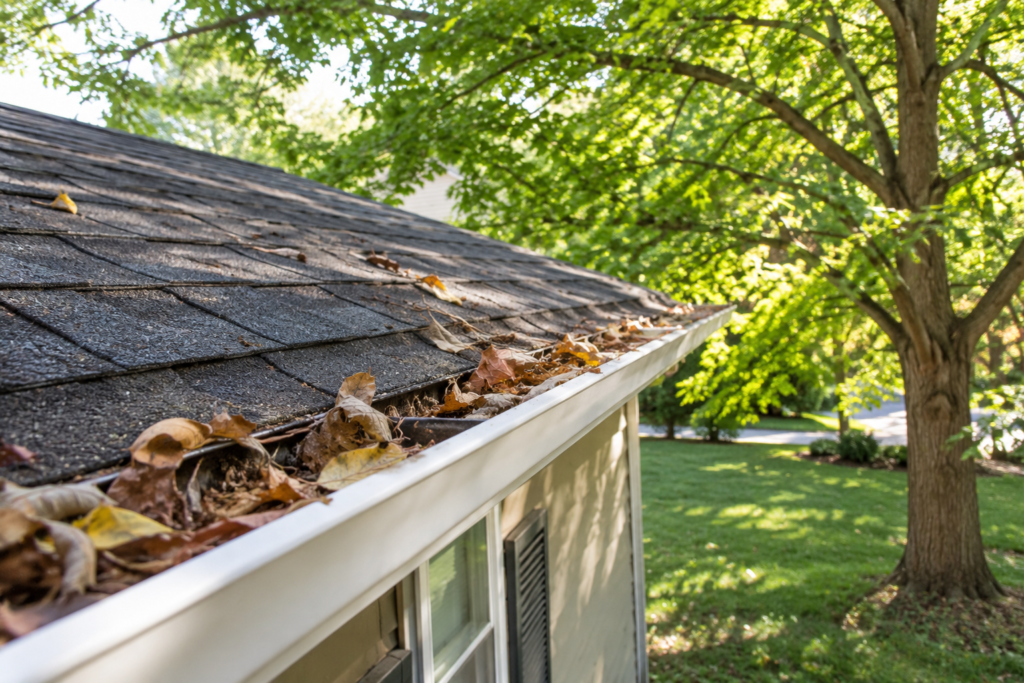
Trees can make a home look beautiful. They provide shade during warm weather, improve curb appeal, and create a peaceful outdoor space. Many homes in Fenton, Michigan, have mature trees around their yards. However, trees can also create challenges for homeowners, especially when it comes to gutter performance.
Leaves, twigs, seeds, pine needles, and other natural debris can collect inside gutters. Over time, this material can block water from flowing toward the downspouts. When that happens, rainwater may spill over the gutter edges and collect near the foundation.
Tree coverage can also affect how often gutters need cleaning and how well the entire drainage system works. A home surrounded by trees may need more attention than a property with very few nearby branches.
Understanding the connection between trees and gutter performance can help homeowners prevent water damage and avoid costly exterior problems. If you are researching
gutters Fenton MI, this guide explains how nearby trees affect your gutter system and what you can do to keep it working properly.
How Tree Coverage Affects Your Gutter System
Tree coverage refers to the number of trees and the amount of branches and leaves surrounding a property. Trees growing near a home can affect the roof and gutters in several ways.
Some effects are easy to notice, such as leaves collecting inside gutters during fall. Others develop slowly, including damage caused by repeated blockages and overflowing water.
Here are some common ways trees affect gutter performance.
1. Leaves Collect Inside Gutters
Falling leaves are one of the most common causes of clogged gutters. During autumn, deciduous trees lose their leaves, and wind can carry them onto rooftops and into gutter channels.
When leaves mix with rainwater, they can form wet clumps that block water movement. These clumps may also collect around gutter outlets and prevent water from reaching the downspouts.
Homes with large trees close to the roof may experience this problem more often than homes with open yards.
2. Pine Needles Create Small Blockages
Pine trees stay green throughout the year, but they still shed needles. These narrow pieces can collect inside gutters and around downspout openings.
Unlike larger leaves, pine needles can slip through some gutter screens. They may also become packed together with dirt and other debris.
This can create a dense blockage that slows drainage even when the gutter does not look full.
3. Twigs and Small Branches Block Water Flow
Wind and storms can break small branches from nearby trees. These pieces may land on the roof or fall directly into the gutters.
Larger twigs can block gutter outlets, while smaller pieces can collect with leaves and other debris.
If the blockage is not removed, rainwater may begin overflowing during storms.
4. Seeds and Blossoms Add Seasonal Debris
Trees release different types of natural debris throughout the year. Some produce seeds, small flowers, and other materials that can collect inside gutters.
This means gutter problems are not limited to fall. Depending on the trees around your home, you may experience debris buildup during spring and summer as well.
Homeowners with several types of trees should pay attention to seasonal changes and adjust their maintenance schedules.
Why Fenton Homes With Heavy Tree Coverage Need More Gutter Maintenance
Not every home needs the same gutter maintenance schedule. A house surrounded by open lawn may collect less debris than a home with large trees hanging over the roof.
In Fenton, seasonal weather and nearby vegetation can make gutter maintenance especially important.
More Frequent Clogging
When trees are close to your home, leaves and other debris can enter the gutters throughout the year. Even a small amount of material can become a problem when it collects near a downspout opening.
Regular inspections help homeowners identify buildup before it causes a complete blockage.
Increased Gutter Weight
Wet leaves and trapped water can add weight to a gutter system. If debris remains inside for a long time, the extra weight may put pressure on hangers, brackets, and fascia boards.
In severe cases, gutters may begin sagging or pulling away from the house.
Overflow During Heavy Rain
A clear gutter system gives rainwater a path toward the downspouts. When leaves and twigs block that path, water may spill over the edges.
Overflowing water can affect siding, landscaping, walkways, and the soil around your foundation.
More Attention After Storms
Strong winds and storms can move branches and leaves onto the roof. Even if your gutters were recently cleaned, a major storm may create new blockages.
Checking the drainage system after severe weather can help prevent unexpected problems.
How Clogged Gutters Can Damage Your Home
Clogged gutters are more than a cleaning problem. When water cannot move through the system, it may affect several parts of your home’s exterior.
Foundation Water Problems
One of the main purposes of gutters is to direct rainwater away from the foundation.
When gutters overflow, water may fall directly beside the house. Repeated exposure can increase soil saturation and contribute to basement moisture or foundation problems.
Properly positioned downspouts and extensions help carry water farther away from the property.
Roof and Fascia Damage
Water trapped inside clogged gutters can remain against the roof edge and fascia boards.
Over time, continued moisture exposure may cause wood rot, peeling paint, and damage to nearby roofing components.
Siding Stains and Exterior Damage
Overflowing gutters can send dirty water down exterior walls. This may leave stains and contribute to moisture-related damage.
Homes with wood siding or exposed wooden trim may be especially vulnerable to repeated moisture exposure.
Landscape Erosion
When water spills from clogged gutters, it can disturb soil and mulch around the house.
Repeated runoff may create small channels in the ground, expose plant roots, and damage garden beds.
A properly maintained drainage system helps control where roof water flows.
Signs Your Gutters Are Affected by Nearby Trees
Tree-related gutter problems often develop slowly. However, there are several warning signs that homeowners can look for.
Water Spilling Over the Gutter Edges
If water flows over the sides during rainfall, debris may be blocking the channel or downspout.
However, overflowing water can also result from undersized gutters, poor slope, or insufficient downspout capacity.
Plants Growing Inside Gutters
Seeds can settle in accumulated dirt and organic material. With enough moisture and sunlight, small plants may begin growing inside the gutter.
This is a clear sign that debris has remained in the system for too long.
Sagging or Loose Gutters
If sections of your gutters appear uneven or pull away from the roofline, accumulated debris and water may have added too much weight.
Loose hangers or damaged fascia boards may also be responsible.
Water Pooling Around the Foundation
After rainfall, check the ground around your home. If water regularly collects near the foundation, your gutters or downspouts may not be directing runoff properly.
Frequent Downspout Blockages
If you repeatedly find leaves and twigs blocking downspout openings, nearby trees may be contributing to the problem.
The system may need more frequent cleaning or suitable debris protection.
Practical Ways to Protect Gutters Around Trees
You do not have to remove every tree around your home to protect your gutters. A few practical steps can help reduce debris buildup and improve drainage.
1. Trim Branches Away From the Roof
Branches that hang directly over your roof can drop leaves, seeds, and twigs into the gutters.
Trimming back selected branches can reduce the amount of debris reaching your roofline.
It can also lower the chance of branches rubbing against shingles or damaging gutters during strong winds.
For large branches or trees near power lines, hire a qualified tree professional. Avoid cutting large limbs yourself.
2. Clean Gutters According to Tree Activity
A basic cleaning schedule may not be enough for homes with heavy tree coverage.
Many homeowners clean their gutters in spring and fall. However, properties surrounded by trees may need additional inspections during periods of heavy leaf or needle drop.
Pay attention to your specific trees rather than following the same schedule as every other home.
3. Consider Gutter Guards
Gutter guards are designed to reduce the amount of leaves and debris entering the gutter system.
Common options include:
- Mesh screens: Help block larger leaves and some smaller debris.
- Micro-mesh guards: Use finer openings to keep out many small particles.
- Perforated covers: Allow rainwater to enter while limiting larger debris.
- Solid-surface covers: Direct water through an opening while encouraging some debris to fall away.
No gutter guard is completely maintenance-free. Pine needles, seeds, and small particles may still collect on top of or inside certain systems.
Choose a guard that matches the types of trees around your property and inspect it regularly.
4. Keep Downspout Openings Clear
Downspout openings are common locations for blockages. Leaves and small branches can collect around these areas and stop water from draining.
Check the openings during gutter inspections and make sure water can move freely through the downspouts.
5. Check Gutters After Heavy Storms
Strong winds can move new debris onto your roof and into the gutter system.
After severe weather, look for visible signs of blockages, loose sections, and damaged hangers.
You do not need to climb onto the roof to perform a basic visual check. If you notice a problem, contact a professional for a closer inspection.
Do Gutter Guards Work for Homes Surrounded by Trees?
Gutter guards can be helpful for properties with many nearby trees, but their performance depends on the product and the type of debris.
For example, a basic screen may block larger leaves but allow pine needles and smaller particles to enter.
A micro-mesh system may provide finer protection, but it can still collect debris on its surface. If that material is not removed, water may have trouble entering the gutter.
Before choosing a gutter guard, consider the following:
- What types of trees surround your home?
- Do you mainly deal with large leaves or small needles?
- Does your roof collect debris in specific areas?
- Are your current gutters properly sized?
- Can the guards be inspected and cleaned easily?
Gutter guards should support regular maintenance, not replace it.
When Should You Consider Gutter Replacement?
Sometimes cleaning and regular maintenance are no longer enough. Older or damaged gutters may struggle to handle water properly, especially when your home has heavy tree coverage.
Consider professional replacement if you notice:
Multiple leaks: Several leaking sections may indicate that the system is wearing out.
Rust or holes: Corrosion and physical damage can prevent gutters from carrying water properly.
Repeated sagging: Gutters that keep pulling away may have damaged supports or weakened materials.
Frequent overflow: If the system overflows even when clean, it may need better sizing or additional downspouts.
Water damage: Repeated moisture problems around the fascia, siding, or foundation may point to drainage issues.
Before choosing a new system, have a professional inspect the roofline, gutter slope, downspouts, and overall drainage. This helps determine the right size, materials, and installation options for your home.
How to Choose the Right Gutter Contractor in Fenton
Finding the right professional is important when your gutters need replacement or a new installation.
If you are searching for a gutter installer in Fenton, MI, look for a company that understands how local weather and tree coverage affect residential drainage.
Here are some things to consider before hiring a contractor:
Experience With Local Homes
Choose a contractor with experience working on homes in Fenton and nearby communities. They should understand common drainage problems caused by Michigan weather and seasonal tree debris.
Proper Gutter Assessment
A reliable contractor should inspect your roofline, existing gutters, downspouts, and areas where trees create heavy debris buildup.
Quality Materials
Ask about the available gutter materials, gutter guards, and installation options. The system should be suitable for your home’s design and maintenance preferences.
Clear Project Estimates
Request a written estimate that explains the materials, labor, gutter size, downspouts, and any additional installation work.
If you are comparing a gutter contractor near me in Fenton Mi, make sure the company explains why a particular system is recommended instead of simply offering the cheapest option.
Homeowners searching for gutters near me in Fenton, MI should also check customer reviews, warranty details, and the contractor’s experience with gutter installation and replacement.
How Often Should Fenton Homeowners Clean Their Gutters?
The right cleaning schedule depends on the number and type of trees around your property.
For many homes, cleaning at least twice a year is a useful starting point. However, homes with heavy tree coverage may need more frequent attention.
A simple seasonal plan can help:
- Spring: Remove leftover leaves, seeds, and winter debris.
- Summer: Check for small branches, blossoms, and storm debris.
- Fall: Clear fallen leaves, especially after most deciduous trees have dropped them.
- Winter: Watch for drainage problems caused by snow and ice, and arrange professional help when needed.
If your home has pine trees nearby, inspect gutters for needles throughout the year.
Never climb onto a wet, icy, or unstable roof to clean gutters. Professional cleaning is a safer choice for high or difficult-to-reach areas.
Protect Your Fenton Home With Prime Home Remod
Trees add beauty and value to your outdoor space, but they can create extra work for your gutter system. Leaves, pine needles, twigs, and seasonal debris can block drainage and increase the risk of water damage.
Keeping gutters clean, trimming overhanging branches, and checking downspouts can help protect your home throughout the year.
If your existing system is outdated or no longer handles rainwater properly, Prime Home Remod provides gutter installation and replacement services in Fenton, MI, and nearby communities. The company offers custom-fit gutter systems, gutter guards, and downspout solutions designed to handle Michigan’s changing weather.
Founded by third-generation builder Josh Kroll, Prime Home Remod brings more than 70 years of combined family building experience to its home improvement work.
Whether you need a completely new gutter system or want to explore replacement options, contact Prime Home Remod to discuss your home’s drainage needs.
Frequently Asked Questions
Do trees cause gutters to clog more often?
Yes. Trees can drop leaves, pine needles, seeds, blossoms, and small branches onto roofs and into gutters. Homes with branches close to the roof may need more frequent gutter inspections and cleaning.
How often should gutters be cleaned if my home has many trees?
Twice a year is a common starting point, but homes surrounded by mature trees may need additional cleaning. The best schedule depends on the type of trees and how much debris collects around the roof.
Are gutter guards worth it for homes with trees?
Gutter guards can reduce the amount of debris entering gutters. However, they do not prevent every blockage. Leaves, pine needles, and small particles may still collect on the guards and require cleaning.
Can pine needles clog gutters?
Yes. Pine needles can collect around gutter outlets and downspouts. When mixed with dirt and other debris, they can form dense blockages that slow water drainage.
Can clogged gutters damage my home’s foundation?
Yes. When gutters overflow, water may collect near the foundation. Repeated water exposure can increase soil saturation and contribute to basement moisture and other drainage problems.
Should I cut down trees that hang over my roof?
Not always. Trimming selected branches away from the roof may reduce debris buildup and lower the risk of storm damage. A qualified tree professional can help determine which branches should be removed.
What are the signs that my gutters need replacement?
Common signs include multiple leaks, rust, holes, repeated sagging, loose sections, and ongoing drainage problems. A professional inspection can help determine whether your existing system needs a new installation.
Can larger gutters prevent clogs caused by trees?
Larger gutters may provide more space for water and debris, but they do not prevent clogs. Regular maintenance, proper downspout placement, and suitable gutter guards are still important.
How do I find a reliable gutter contractor in Fenton, MI?
Look for an experienced contractor who provides detailed inspections, quality materials, clear estimates, and suitable installation options. Check customer reviews and ask about warranties before making a decision.
Do gutter guards eliminate the need for gutter cleaning?
No. Gutter guards reduce debris buildup but do not make a gutter system maintenance-free. They should be inspected and cleaned when necessary to maintain proper water flow.

