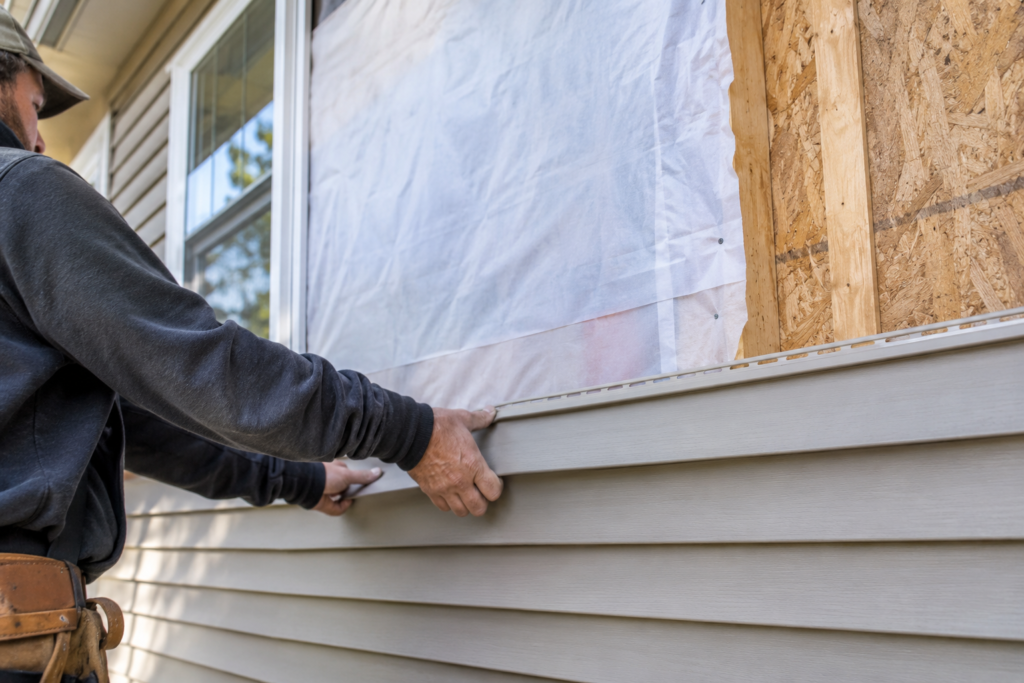
When homeowners think about siding, they usually focus on the material they can see. They compare colors, styles, textures, and prices. However, one of the most important parts of an exterior wall is hidden underneath the siding.
Behind those attractive panels are several layers that help protect the home from rain, wind, and moisture. One of these layers is called house wrap. It works with other moisture-control materials to help keep water from reaching the wood structure of the house.
Without proper protection, water can slowly enter the wall system. Over time, this moisture may cause wood rot, mold growth, damaged insulation, and costly problems. These issues are not always easy to notice because they develop behind the exterior surface.
Understanding what happens behind your siding can help you make better decisions when replacing or installing exterior materials. It can also help you understand why professional installation involves much more than attaching new panels to your home’s exterior.
What Is Behind Your Home’s Siding?
Your home’s exterior wall is made up of several layers. Each layer has a different purpose, and they work together to protect the building.
Although the exact wall assembly can vary depending on the home’s age, construction, and siding material, a typical exterior wall may include:
- Exterior siding
- A drainage space or air gap, when included in the wall design
- House wrap or another water-resistive barrier
- Exterior wall sheathing
- Wood framing and insulation
- Interior wall materials, such as drywall
The siding is the first line of defense against outdoor weather. However, don’t treat it as a completely waterproof surface.
Rain can enter through small openings around siding joints, corners, windows, doors, and other exterior connections. Wind can also push water through gaps that may seem too small to cause trouble.
This is why the materials underneath the siding are so important. They provide another level of protection when water gets past the exterior surface.
What Is House Wrap and Why Does It Matter?
House wrap is a protective material installed over the exterior wall sheathing and underneath the siding. It is designed to resist liquid water while allowing suitable water vapor movement, depending on the product.
Think of house wrap as a protective rain layer for your home’s walls.
Even when siding is installed correctly, small amounts of water can sometimes reach the area behind it. House wrap helps prevent that water from soaking into the wall sheathing and framing.
It also helps create a continuous drainage surface when its seams, edges, and openings are properly connected.
How Does House Wrap Work?
House wrap works by helping water move down and away from the home instead of allowing it to travel deeper into the wall.
For example, imagine heavy rain hitting the side of your house. Some water may pass through the small spaces between siding panels.
When this happens, the water reaches the protective layer underneath. A properly installed house wrap system directs that moisture toward the bottom of the wall, where it can drain outside.
This process helps protect important building materials from repeated exposure to moisture.
House wrap can also allow water vapor to pass through, depending on its design. This helps support the drying process when moisture is present inside the wall assembly.
Does Every House Have House Wrap?
No. Older homes may have different materials behind their siding.
Some houses use asphalt-saturated felt paper, while others may have newer synthetic house wrap or another approved water-resistive barrier.
Some older homes may have little or no modern moisture protection behind their siding.
If you are replacing siding on an older property, it is important to understand what is already installed. Removing the existing siding gives contractors an opportunity to inspect the condition of the wall and identify areas that may need attention.
What Is a Water-Resistive Barrier?
A water-resistive barrier, often called a WRB, is a layer that helps stop liquid water from reaching the wall structure.
House wrap is one common type of WRB, but it is not the only option.
Other materials may include:
- Asphalt-saturated felt paper
- Synthetic building wraps
- Self-adhered waterproofing membranes
- Liquid-applied water-resistive coatings
- Properly sealed rigid foam insulation or approved sheathing systems
The right material depends on the home’s construction, siding type, local building requirements, and the manufacturer’s installation instructions.
House Wrap vs. Moisture Barrier: Are They the Same?
People often use the terms house wrap, moisture barrier, and vapor barrier as if they mean the same thing. However, they have different functions.
A house wrap or water-resistive barrier is mainly designed to manage liquid water that gets behind the siding.
A vapor barrier or vapor retarder is designed to control how water vapor moves through a wall assembly.
This difference matters because walls need to manage both liquid water and water vapor. Using the wrong material or placing it in the wrong location can interfere with the wall’s ability to dry.
For example, adding an overly restrictive vapor-control layer in the wrong location may trap moisture inside the wall.
The correct moisture-control system should be selected based on the complete wall assembly rather than choosing a product simply because it is labeled a moisture barrier.
How House Wrap Protects Your Home From Moisture
Moisture protection is one of the most important jobs of the materials behind siding.
Water can enter an exterior wall through several small openings. A good drainage system helps manage that water before it causes damage.
Here are some of the main ways house wrap helps protect your home.
1. It Helps Prevent Water From Reaching the Wall Structure
Exterior siding is designed to shed most rainwater, but it cannot stop every drop.
House wrap provides an additional protective layer between the siding and wall sheathing. When water reaches this layer, it helps keep the moisture from soaking into the materials underneath.
This is especially important because wall sheathing and wood framing can become damaged when they stay wet for extended periods.
2. It Helps Reduce the Risk of Wood Rot
Wood is strong and durable, but repeated moisture exposure can lead to decay.
When water gets trapped behind siding, it can slowly damage the wooden components of an exterior wall.
A properly installed water-resistive barrier helps direct moisture away from these materials. This reduces the chance of long-term water damage.
3. It Supports Better Moisture Management
House wrap does more than block liquid water. Many products also allow water vapor to pass through.
This helps the wall assembly dry when moisture is present.
The ability to dry is important because even well-built homes can experience small amounts of moisture from rain, construction materials, or indoor humidity.
4. It Helps Protect Insulation
Insulation helps control indoor temperatures and improve comfort.
However, wet insulation may lose some of its performance and can become difficult to dry if moisture remains trapped inside the wall.
House wrap helps reduce the risk of rainwater reaching insulation and other materials within the wall cavity.
Why Proper House Wrap Installation Is So Important
Buying a high-quality house wrap product is only part of the process. It must also be installed correctly.
Small installation mistakes can create openings where water can enter the wall.
This is why professional installation requires careful attention to seams, corners, windows, doors, and other openings.
Overlapping the Seams Correctly
House wrap is generally installed in overlapping sections.
The upper layer should overlap the lower layer so water can flow down and out instead of getting behind the material.
This is sometimes called shingle-style installation because the layers work like roof shingles.
If the overlaps are installed in the wrong direction, water may move behind the protective layer.
Sealing Openings and Seams
House wrap needs to form a continuous protective surface.
Contractors may use approved tapes, sealants, or other accessories to close seams and openings according to the product instructions.
Common areas that need attention include:
- Vertical and horizontal seams
- Outside and inside corners
- Window and door openings
- Electrical and plumbing penetrations
- Exterior light fixtures
- Exhaust vents and other wall openings
Even a small opening can become a path for water when wind-driven rain hits the exterior.
Connecting House Wrap With Window and Door Flashing
Windows and doors are common places for water to enter an exterior wall.
Flashing helps direct water away from these openings. However, flashing must work together with the house wrap rather than being installed as a separate, disconnected layer.
The materials should be arranged so water flows outward and downward.
If flashing and house wrap are not properly connected, water may collect around the window or door frame and eventually damage the surrounding wood.
Providing Proper Drainage
A moisture-control system needs a way to release water that gets behind the siding.
Depending on the siding material and wall design, contractors may use a drainage space, furring strips, or a drainage mat.
These features help water move downward and can support airflow behind the siding.
A properly designed drainage system also helps the wall dry more effectively.
What Happens When Moisture Gets Trapped Behind Siding?
Moisture problems often begin slowly. A small leak may not create an immediate problem, but repeated water exposure can damage the wall over time.
Here are some issues that can develop when water gets trapped behind exterior siding.
Wood Rot and Structural Damage
Wood sheathing, framing, and trim can deteriorate when they remain wet for extended periods.
As the damage spreads, the affected materials may lose strength and require replacement.
In serious cases, moisture damage can affect larger sections of the wall.
Mold and Mildew Growth
Damp building materials can create conditions that support mold growth.
Mold may develop behind siding or inside wall cavities without being visible from the outside.
Some homeowners first notice a musty smell indoors, but mold can exist before obvious signs appear.
Damaged Insulation
Insulation that becomes wet may not perform as intended.
If the wall cannot dry properly, the moisture can remain inside the cavity and create additional problems.
This may affect indoor comfort and increase the need for further work on the exterior wall.
Peeling Paint and Exterior Damage
Moisture trapped behind exterior materials can sometimes contribute to bubbling paint, swelling trim, and other visible signs of damage.
These problems may appear around windows, doors, corners, and lower wall sections.
However, not every paint or siding problem is caused by house wrap. Roof leaks, plumbing issues, poor drainage, and window problems can also cause moisture damage.
Signs Your Home May Have Moisture Problems Behind Its Siding
You do not always need to remove siding to notice that something may be wrong.
Certain warning signs can suggest that water is entering the wall system.
Look for the following issues:
Soft or damaged exterior wood: Wood trim that feels soft, swollen, or begins to break apart may have experienced repeated moisture exposure.
Warped or loose siding: Panels that bend, buckle, or pull away from the wall may indicate an installation problem or damage behind the exterior surface.
Peeling paint: Paint that bubbles or flakes near siding joints, windows, or doors may be affected by moisture.
Musty indoor smells: A persistent musty smell near exterior walls can sometimes indicate hidden moisture or mold.
Water stains inside the home: Stains on interior walls near windows or exterior corners may point to a leak in the wall assembly.
Repeated caulking problems: If the same exterior joints keep opening or showing signs of water entry, the underlying installation details may need attention.
These signs do not automatically mean the house wrap has failed. Roof leaks, plumbing issues, and poor drainage can also cause moisture damage.
A qualified professional can help identify the source before any exterior work begins.
Does Siding Replacement Include New House Wrap?
Not every siding replacement project automatically includes new house wrap.
The answer depends on the existing wall assembly, the condition of the old protective layer, and the scope of the work.
If the existing barrier is damaged, missing, or poorly installed, replacing it may be an important part of the project.
When Should House Wrap Be Replaced?
New house wrap may be worth considering when:
- The existing material is torn or badly damaged.
- Large sections are missing.
- The seams are open or incorrectly overlapped.
- The existing barrier is not properly connected to flashing.
- The wall sheathing needs replacement.
- The current wall assembly requires an updated moisture-control approach.
A contractor should inspect the exposed wall before deciding what needs replacement.
It is also important to address existing moisture damage before covering the wall with new siding.
Simply installing a new protective layer over wet or damaged materials does not solve the underlying problem.
Can New Siding Be Installed Over Old House Wrap?
In some situations, existing house wrap can remain in place if it is in good condition and suitable for the new wall assembly.
However, it should not be assumed that every old barrier is reusable.
A contractor may need to inspect selected areas, check the condition of the sheathing, and determine whether the existing material can provide reliable protection.
Any cuts made during an inspection should be properly sealed with compatible materials.
What Should Homeowners Ask Before a Siding Installation?
Choosing the right materials is important, but homeowners should also understand how those materials will be installed.
Before starting a siding project, consider asking these questions:
- Will the existing siding be removed before installation?
- Will the wall sheathing be inspected?
- Is the existing house wrap in good condition?
- Will damaged or missing moisture barriers be replaced?
- How will the contractor handle window and door flashing?
- Will seams and wall openings be properly sealed?
- Does the siding system require a drainage gap?
- How will any existing moisture damage be handled?
These questions can help you understand what is included in the project.
They can also help you compare estimates more accurately. One contractor may include house wrap replacement and new sheathing, while another may only quote the installation of new siding.
Make sure you understand the difference before choosing a contractor.
Why Local Experience Matters for Siding Projects in Rochester Hills
Homes in Rochester Hills experience changing weather conditions throughout the year. Rain, snow, freezing temperatures, and seasonal temperature changes can all affect exterior building materials.
These conditions make proper moisture management an important part of exterior home protection.
When researching siding companies Rochester Hills homeowners should look beyond the appearance of the finished siding.
A reliable contractor should understand the complete exterior wall system, including water-resistive barriers, flashing, drainage, and proper installation methods.
When comparing a siding company in Rochester, MI, homeowners are considering, ask about its approach to inspecting existing wall materials and handling moisture-related problems.
You should also discuss the specific siding product being installed and whether its manufacturer requires particular underlayment or drainage details.
A knowledgeable siding contractor Rochester Hills homeowners hire should be able to explain what happens behind the panels, not just how the finished exterior will look.
For larger projects, it is also helpful to work with a siding contractor Rochester Hills Mi property owners can communicate with throughout the installation process.
Final Thoughts: The Hidden Layers Protect Your Home
Your home’s siding does much more than improve its appearance. It is part of a larger exterior protection system that helps manage rainwater and protect the building structure.
House wrap, flashing, drainage spaces, and other moisture-control materials work together to reduce the risk of water damage.
When one part of this system is missing or installed incorrectly, moisture may find its way into the wall cavity. Over time, this can lead to damaged sheathing, wood rot, mold, and costly exterior work.
That is why homeowners should pay attention to what happens behind the siding, especially when planning a replacement project.
Protect Your Home With Prime Home Remod
Your home’s exterior deserves attention beyond its visible appearance. Proper siding installation and moisture protection can help protect the structure and maintain your property’s value. Prime Home Remod provides exterior home improvement services, including siding replacement, roofing, window replacement, and gutter installation. With a family background of more than 70 years in building experience, the company focuses on helping homeowners improve and protect their properties.
If you are planning a siding replacement in Rochester Hills or nearby Michigan communities, contact Prime Home Remod to discuss your home’s exterior needs and explore your options.
Frequently Asked Questions
What is the purpose of house wrap behind siding?
House wrap helps prevent liquid water that passes behind siding from reaching the wall sheathing and framing. It also creates a drainage surface that directs water down and away from the home when properly installed.
Is house wrap the same as a moisture barrier?
House wrap is one type of water-resistive barrier. It mainly manages liquid water behind siding. A vapor barrier or vapor retarder serves a different purpose by controlling water vapor movement through the wall assembly.
Does every house need house wrap?
Homes need an appropriate water-resistive barrier behind exterior wall coverings, but that protection does not always have to be synthetic house wrap. Building paper, approved membranes, and other suitable materials can also serve this purpose.
Can water get behind vinyl siding?
Yes. Vinyl siding is not completely waterproof. Wind-driven rain can enter through panel joints and other openings. This is why a properly installed water-resistive barrier and drainage system are important.
How long does house wrap last?
The lifespan depends on the product, installation quality, and exposure conditions. House wrap is designed to remain protected behind exterior siding. Its condition should be checked when siding is removed or when moisture problems are discovered.
Should house wrap be replaced when installing new siding?
Not always. If the existing material is in good condition and suitable for the new wall assembly, it may be possible to keep it. Damaged, missing, or improperly installed sections may need replacement.
Can house wrap prevent mold?
House wrap helps reduce the amount of rainwater entering the wall cavity, which can lower the risk of moisture-related problems. However, it cannot guarantee that mold will never develop. Proper ventilation, drainage, flashing, and moisture control are also important.
What happens if house wrap is installed incorrectly?
Incorrect installation can allow water to travel behind the barrier instead of draining outside. Poorly sealed seams, incorrect overlaps, and missing flashing connections may contribute to water damage, wood rot, and mold growth.
Does house wrap help with energy efficiency?
Some house wrap products can help reduce air movement when they are designed and installed as an air-control layer. However, their main purpose is water management. Insulation, air sealing, and the complete wall design also affect energy performance.
Why should I hire a professional for siding replacement?
Professional installation helps ensure that the siding, house wrap, flashing, and drainage details work together. A qualified contractor can also identify hidden wall damage and determine which materials should be replaced before installing new exterior materials.

